
Take Life One Cup At A Time
take the quiz! It only takes a minute - promise! >
Hey girl! What's Your Signature Latte? Whether it's a frothy latte or a cold brew, your personality shines through. Find out what your java ingredients are!
shop my instagram
LIKEtoKNOW.it

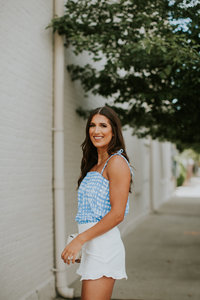
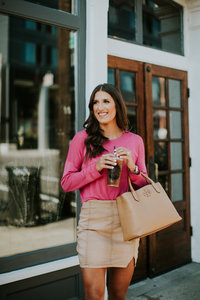
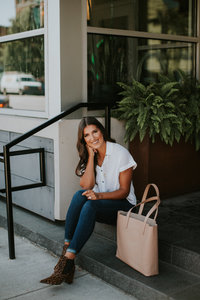
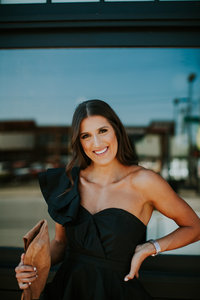
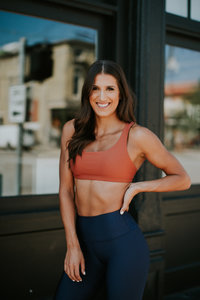
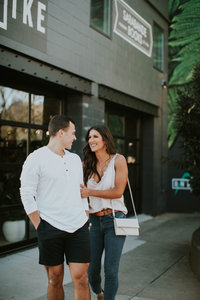

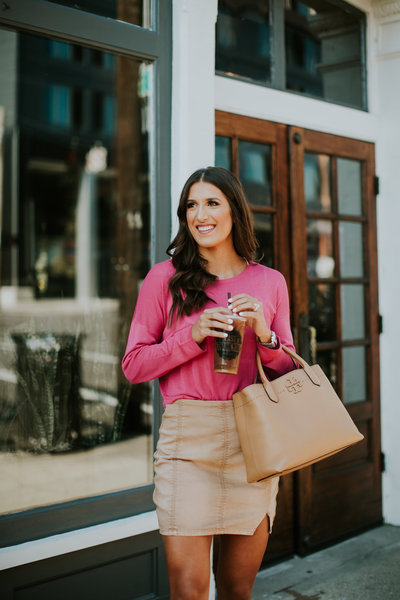

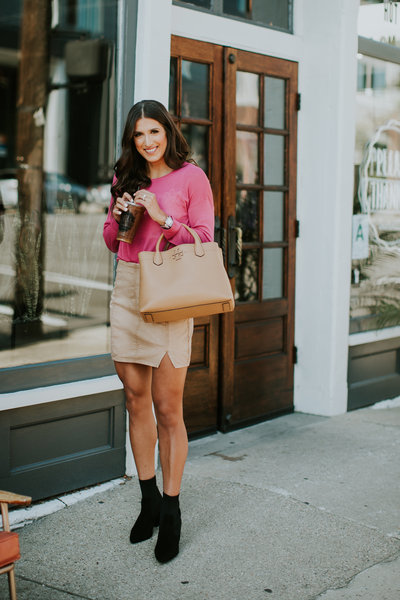
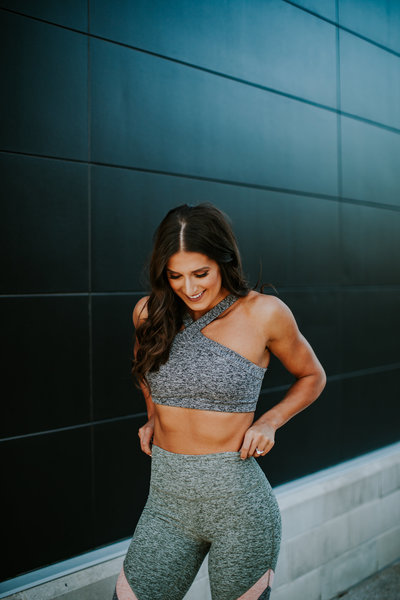

Photo Tip Thursday: All About Aperture

Last post I mentioned that there were three major settings that you needed to have control of in order to achieve a blurred background in your photos: aperture, shutter speed and ISO. These three terms make up what’s known as the exposure triangle, i.e. the three settings needed to obtain a properly exposed photo. Today we’re going to discuss aperture. So what is aperture exactly? The aperture controls how much light enters the camera lens. It is a made up of a group of blades which form a circle which can be made either larger or smaller. It works in a manner exactly similar to that of the pupils in your eyes. In very bright light, your pupils constrict to decrease the amount of light entering your eye. In very dimly light conditions however, your pupils dilate and get much larger to increase the amount of light entering your eye allowing you to see better in the dark. The camera works the exact same way. On a bright, sunny day, the aperture can me made smaller to decrease the amount of light entering the camera to obtain a proper exposure which isn’t too bright. Conversely, in a dimly lit room, the aperture can be widened to allow more light to enter the lens and achieve a brighter exposure.
 |
| Larger apertures, such as the one on the left let in more light per unit time, making them extremely useful in low-light/indoor photography situations. Smaller apertures, like the one on the right let in less light per unit time. |
Apertures are denoted in f-stops and commonly seen referenced as f/(aperture #). LARGER apertures {this part is very counterintuitive, see the above diagram} are denoted by SMALLER f-stop numbers. For example, f/1.4 is a very large aperture. Conversely, SMALLER apertures are denoted by LARGER f-stop mumbers. f/22 is an example of a very small aperture.
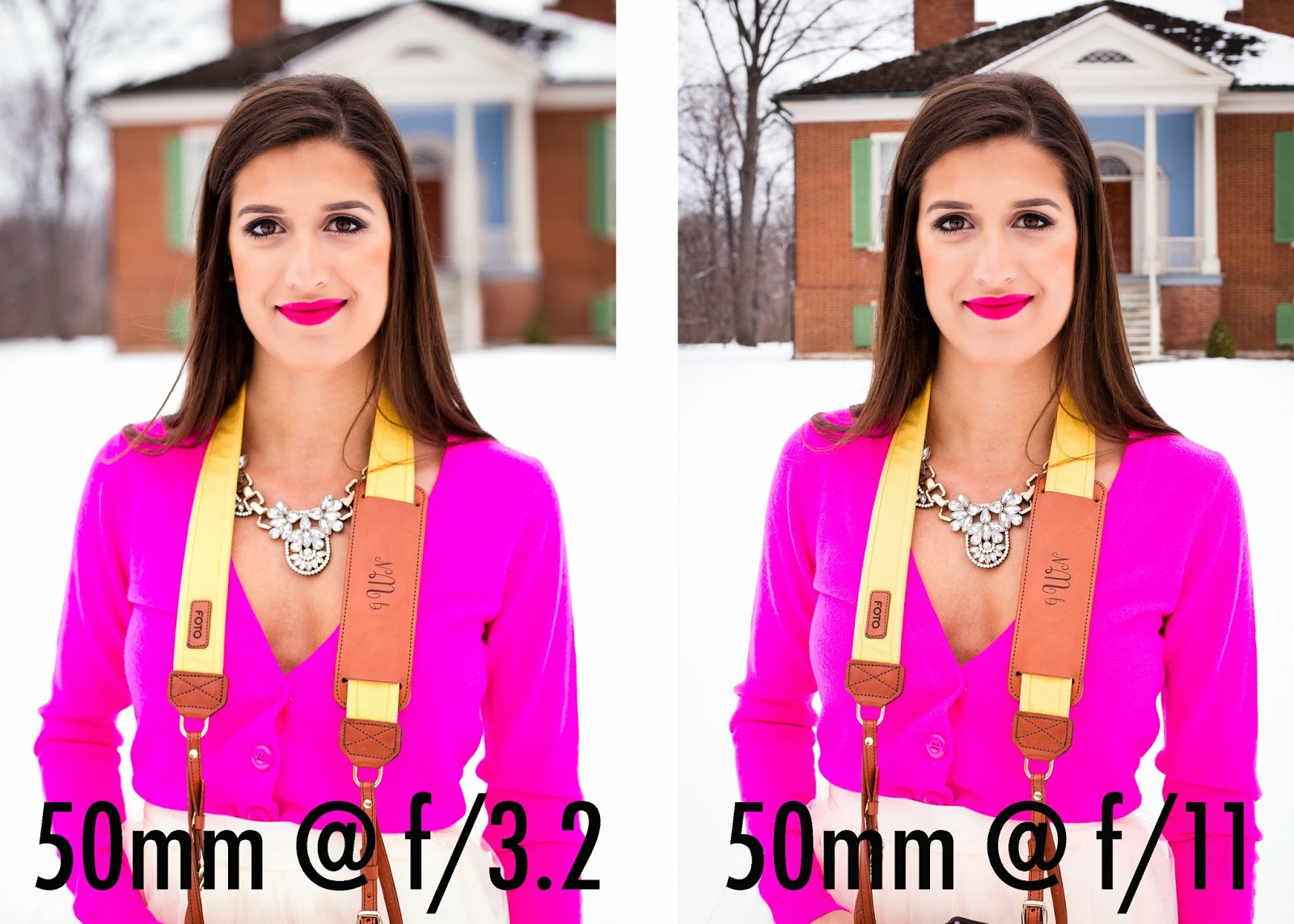 |
| Left: larger apertures produce images with small depths of field. Right: smaller apertures produce images with large depths of field. |
Aperture also controls another factor in photography. Depth of field. Depth of field is simply the area in front of and behind the point of focus which is in clear focus. Larger apertures {remember, low f-stops such as f/1.4-3.2} have very shallow depth of fields, meaning that typically the subject is the only thing in focus, the rest of the foreground and background are very blurry. Smaller apertures {f/11-22} have very large depths of field. This means that a vast portion of the foreground and background in the photo will be in focus along with the subject. See the above photo. The photo on the left was taken at f/3.2, a relatively large aperture. The only thing in focus is Grace and her outfit {what a subject she is I tell ya} while the background is pleasantly blurry. By shooting using large apertures while taking your outfit photos, it draws the attention to the subject and the outfit he/she is wearing. The picture on the right on the other hand was taken using a small aperture of f/11. Both Grace and the background are in focus, causing a bit of a visual distraction, taking your attention away from her and the outfit that she’s wearing and directing it to the building behind her.
| The depth of field is very small for large apertures. Do you see how I’m the only thing in focus in this image, while everything in front of me {the foreground} and behind me {the background} is blurry? This is ideal for portrait/outfit photos as it draws attention to the subject. |
| Small apertures have very large depths of field. Notice how a majority my foreground and background are still in focus. This is not so ideal for portrait/outfit photos because you and your outfit won’t stand out as much from your surroundings. |
Let’s look at depth of field in another way. In the above images, imagine that the camera in front of me is capturing two separate images, one using a large aperture {the top photo} and one using a small aperture {the bottom photo}. This side view shows the differences in how wide the depth of field is {remember the portion of the foreground and background that’s in clear focus} for large and small apertures. Notice in the side view of the large aperture that the subject is the only thing in focus. The vast majority of the foreground and background are extremely blurry, making the subject stand out. This is ideal for portrait/outfit photos. The opposite can be said of the side view of the smaller aperture photo. A great majority of the foreground and background is in focus, with only a small area being slightly blurred. Small aperture photos are therefore not ideal for shooting photos of outfit pictures. They are more suited to the realm of landscape photography where you want as much of the foreground and background to be in focus as possible.
Here’s a little homework for you to do. To get a hands on understanding of how different apertures affect your photographs, set your D-SLR to Aperture Priority mode {abbreviated “Av” or “A”} on the selection dial and take photos of the same subject using different apertures. This convenient mode lets you manually set the aperture of your choice while the camera automatically picks the best shutter speed and ISO setting. We’ll get to those settings in a further post.
Thanks for reading!
Q&A
Q: What do you think about interchangeable lens cameras?
A: Interchangeable lens cameras are a relatively new development. For those of you that don’t know, they’re a type of hybrid camera, trying to appeal to those who want the smaller size of a point and shoot with the functionality of a D-SLR {the ability to adjust aperture, shutter speed and ISO and use interchangeable lenses}. I haven’t really had much experience with them but I do think they would be suitable for taking good outfit photos. They do have the same basic functionality as a D-SLR. There are several drawbacks to them as well though. They do not use the reflex lens system. While this reduces the size, it also takes away the through the lens viewing capability, a necessity for accurate continuous shooting required for action shots. They use their own special lenses. This means that they cannot directly use D-SLR lenses. Some manufacturers have designed adapters so that you can use D-SLR lenses, but these are separate purchases and often very expensive. Also, since this class of cameras is relatively new, they are still quite expensive, often times, just as expensive as a similar D-SLR equivalent. You might find yourself having a hard time trying to sell this type of camera for a reasonable price should you want to as there is a much smaller market for interchangeable lens cameras. I would go to the store and test one out for yourself along with a comparable D-SLR before making any decisions on which one to buy.
Leave a Reply



Become a healthier version of yourself by joining the FITwithASD community today! For only $8.99/month or $89/year, you never have to worry about workouts, macros, or a meal plan again.
learn more about fitwithasd ⟶
shop my instagram
LIKEtoKNOW.it
The All-Time Favorite Posts
read this post
⟶
Personal
10/27/18 Mr. & Mrs. White
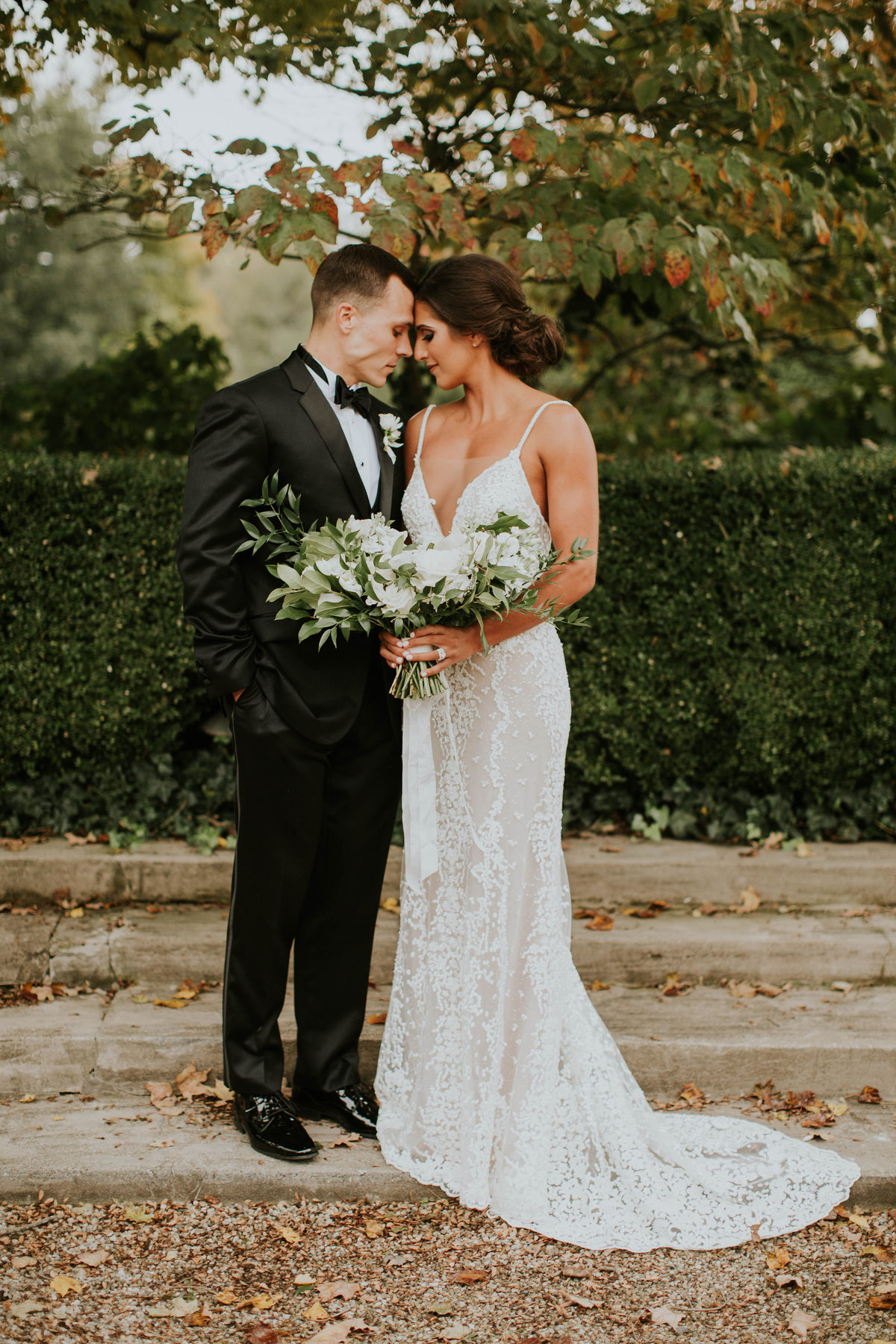
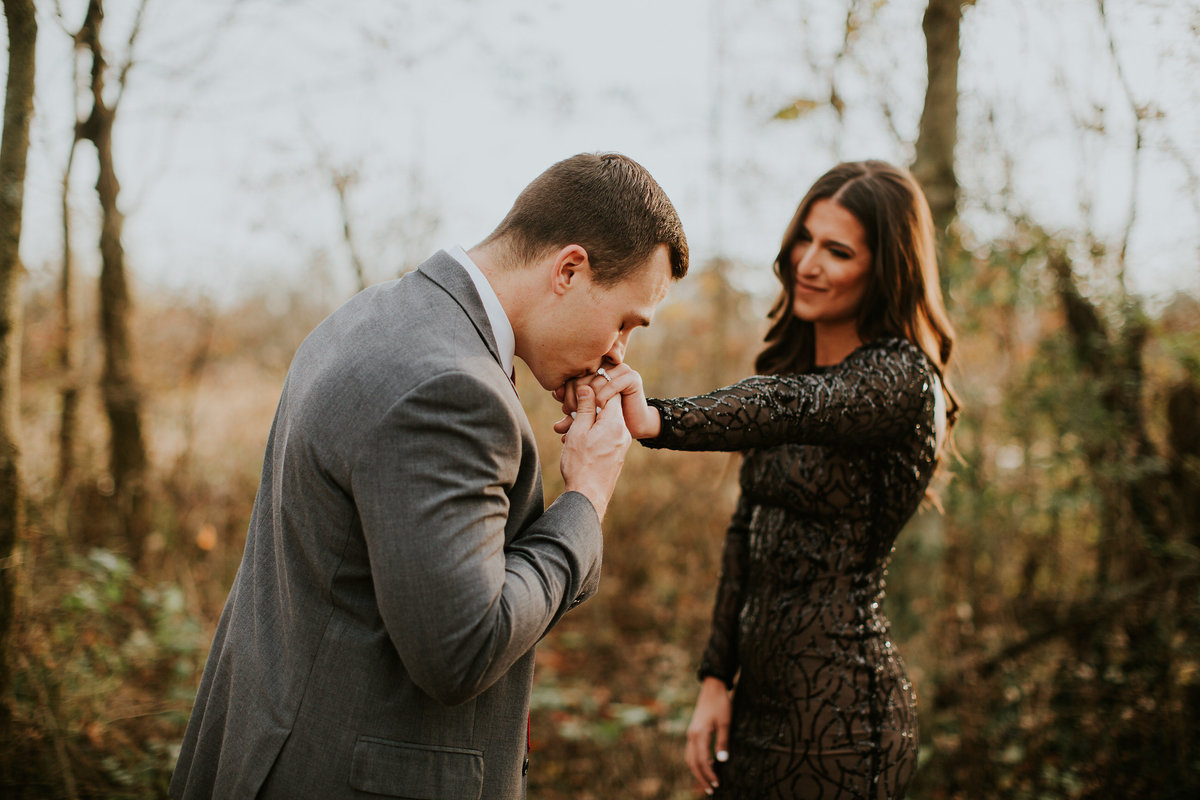
There’s not a day that goes by when I don’t feel so blessed to be Jordan’s wife. He is my everything. These photos and video are the sweetest reminder of our love for one another. So, grab a cup of coffee, pull up a seat, and try not to bawl your eyes out (because I know we did). Every time we look through our photos and watch our video, we cry the happiest tears.

read this post
⟶
Personal
The Proposal
It’s crazy what can happen in a year. I met the love of my life and the rest is history. I was having a hard time ending this post, because frankly, I think I could talk about that evening forever. Then I realized that this post doesn’t have an ending, but instead, a beginning. Thank you so much for all of the love, excitement, and gratitude.

read this post
⟶
LIFESTYLE
Dark Chocolate Chip Pumpkin Bread
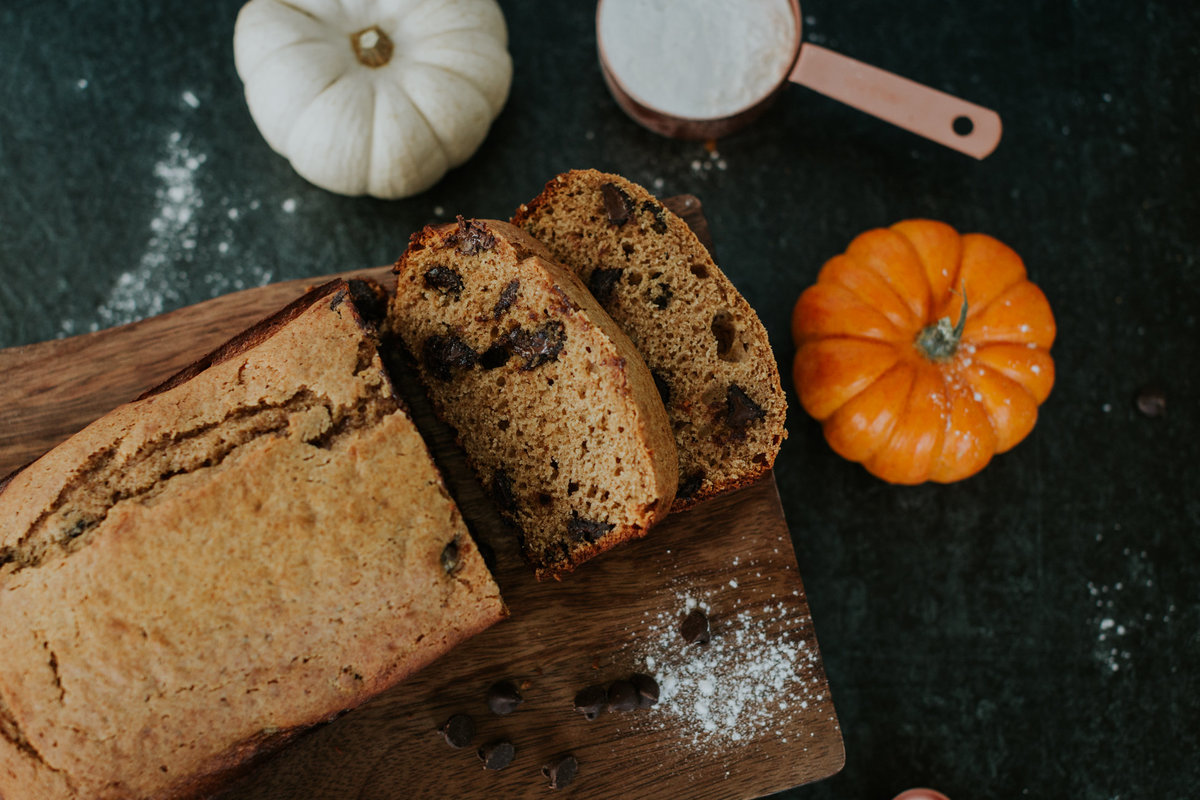
One of my favorite things to do in the fall is bake my dark chocolate chip pumpkin bread! I’ve made it *so* many times for me, J, and friends & family. It’s moist, decadent, and super easy to make! It also makes for a great DIY housewarming gift.


Very informative, Andrew! Great work!
Wow! Great advice!!!!!! I took a photography class in college and used to know all of these things, but no longer do! This is so so so helpful! Will be book marking this as I try to learn more 🙂
Awesome explanation! I typically default to the auto-mode on our camera (huge no-no, I know) because I lack patience in understanding all of the nuance of manual mode. However, I managed to make it through this whole post without glazing over and I'm actually excited to use my husband as my subject guinea pig this weekend. Thanks for the tips, "The Boyfriend"!
-Michele
The Salty Hanger
I've attempted to read up on camera settings and such, but I really love that y'all used the pictures as examples with what settings you used. It helps to see the differences in the backgrounds. I'm thankful for all the camera help I can get!
<a href="www.eatdrink-andbemary.com> Eat Drink & Be Mary </a>
Great explanation! I think I need to get through this once more to make sure I have all noted in my head, but this is such a great post!
Cee. ♥
Code Overdressed
I just bought a DSLR camera so these posts a so very helpful!!! Thank you!!! Keep the advice coming!!!
This post was so helpful!! I have been very lost on the dslr camera front. I'm excited to put this into use with my husband.
Thanks so much!!
Angela